The first time I played with an AI image generator using a prompt was over four years ago, during the storming of the U.S. Capitol. The prompt was super simple, and the image blew me away. Getting a painting that looked like a human-made watercolor out of just a few words, where you could almost make out the flag, the president and a city in the background, felt like magic (looking at that image today, you need a bit more imagination to be impressed).

Two years later we were watching something that sort of looked like Will Smith eating spaghetti with his hands, and from then on these tools haven’t stopped evolving for a single day in front of a captive audience. Today the world of content creation has completely changed. AI tools that used to feel experimental are now generating pieces that, just a year ago, would have taken huge teams and VFX budgets most brands could only dream of.

At Sesenta we love testing these technologies to see how far they can push creativity and content production. The big question is: can AI replace professional production, or is it here to supercharge it?
The top AI video creation tools
Today the AI video ecosystem is packed with options, and every week they’re fighting for pole position, but a few players are really standing out:
-
- Runway: Perfect for generating quick motion graphics and creative effects from prompts. Great for experimenting and short pieces, though it’s still limited when it comes to sustained realism.
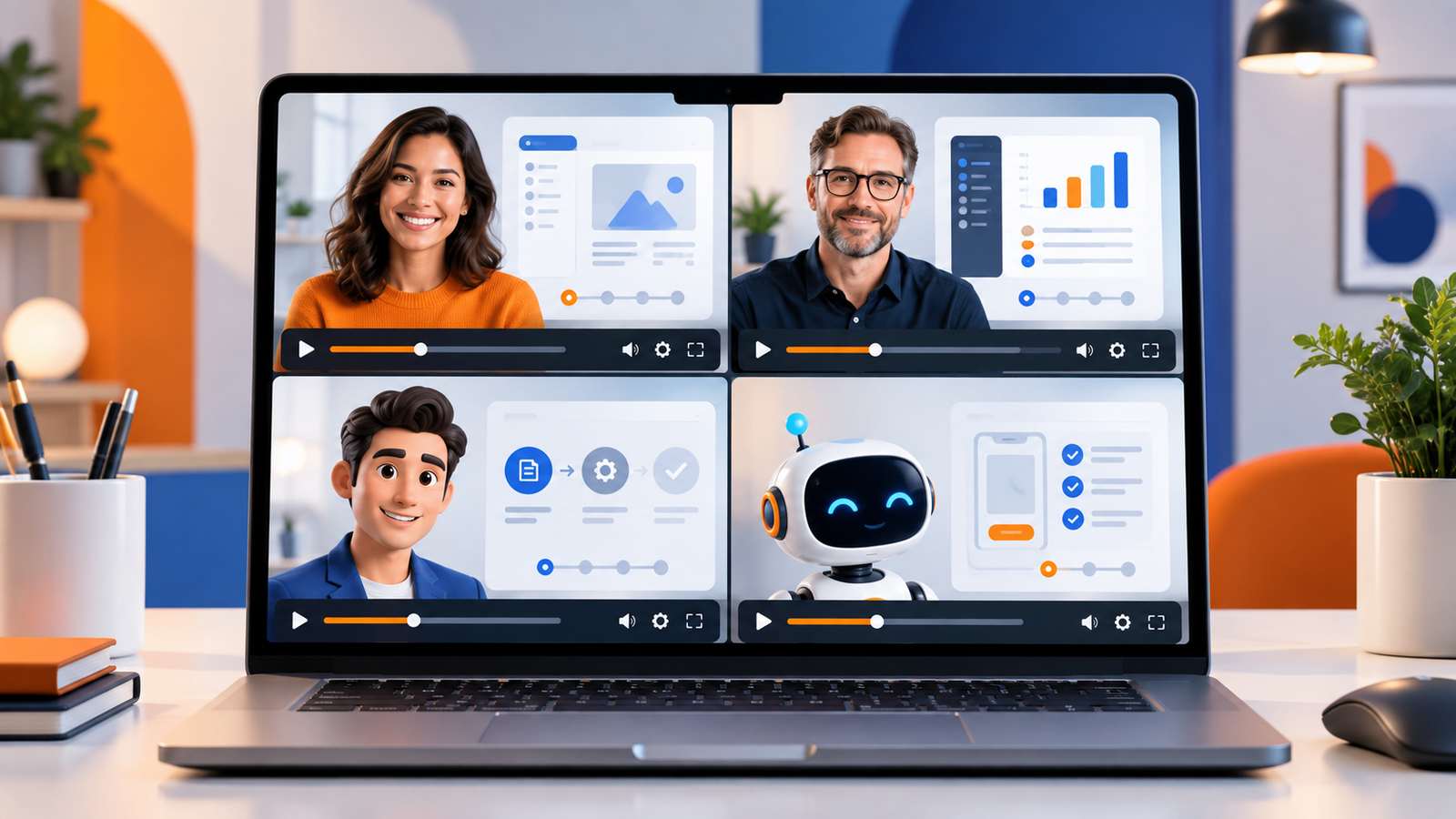
- Synthesia / HeyGen: Virtual avatars and presenters. They’re amazing for tutorials, educational videos or short multilingual ads, but when you want more creative storytelling, they feel stiff.
- Pika Labs / Luma AI: Big allies in the motion and 3D world. They create dynamic scenes and cool effects, but they still struggle with full visual consistency.
- Sora (OpenAI): Produces extremely high-quality clips with an impressively cinematic feel. Ideal for visual storytelling and high-impact prototypes, but you need to add voice and sound in post.
- Descript / OpusClip: More than generators, these are AI editing tools. Excellent for cutting social snippets, adding auto-captions and pumping out fast content for social media.
- RunPod / Stable Video Diffusion: For anyone who wants more custom, experimental outputs. Powerful, but there’s a learning curve and they’re not built for mass use.
- Veo 3: The real game changer. The first tool we feel actually delivers consistent cinematic realism in short clips with voice and sound. Its limits are narrative control on longer projects and the need for very precise prompts, but what it offers today is already mind-blowing.

The upside of AI video creation
From our experience, there are several areas where AI is already a real ally:
-
- Creating short-form and experimental videos at lightning speed.
- Building visual prototypes for campaigns without going through weeks of production.
- Generating snackable content for social media (Reels, Shorts, 15–30 second ads).
- Personalizing messages at scale, with multiple versions for different audiences.
- Democratizing production: small teams can produce a lot more content without multiplying their budgets.
Current limitations of AI video
But heads up, it’s not magic. There are clear limitations (for now):
-
- Artistic consistency is still a challenge: outputs can be unpredictable.
- Long videos or complex storytelling still need a lot of human work.
- There are legal risks: image rights, training datasets and copyright are still a gray area.
- Acting and human expressions are still far from what real on-camera talent can deliver.
- Continuity between outputs: This is still a huge challenge for artistic and commercial storytelling. For now it’s impossible to keep characters, movements, colors and elements consistent from scene to scene.

And most importantly: AI on its own doesn’t create memorable content without strategy or creative direction and burning through credits with no direction can get expensive and still leave you without a good result.
Our take as an agency
At Sesenta we see AI video production as a creative accelerator that’s transforming the way we approach marketing and content creation.
-
- It lets us test ideas and visual concepts fast, cutting production time and making the most of our resources.
- It helps us create video prototypes and motion graphics that validate ideas before investing in more complex productions.
- It opens the door to limitless digital creativity, exploring visuals for brands that used to require film sets, VFX teams and big budgets.
- It makes personalized, scalable content creationeasier, adapting the same message to different audiences, languages and social platforms.
Still, no AI tool can replace the essentials: strategy, scriptwriting and creative direction.
At Sesenta we believe real impact happens when technology serves a strong brand narrative.
For AI video creation to drive real marketing results, you need:
-
- A defined visual identity: colors, style, details and tone that stay true to the brand.
- Strategic storytelling: knowing what story to tell and why.
- Human creative direction: turning AI outputs into consistent, memorable pieces.
AI speeds things up and multiplies the possibilities, but without clear direction it only produces generic content.
In minutes we can generate anything from an intimate kitchen scene to a surreal trip through a black hole. If the brand hasn’t defined its story, AI will just fill the cloud with content that has no purpose.
The bottom line
The age of AI in video production is a unique opportunity for brands that know how to use it smartly.
Whoever combines the speed and versatility of these tools with the strategic vision of a human team will be able to create content that connects and stands out in a world overloaded with noise.
The brands that turn technology into creativity with a purpose will be the ones that make the difference.
Everyone else will get lost in an ocean of generic content.